 Amy Marietta
Owning a Rare Diamond? How Color & Rarity Translate to Resale Value
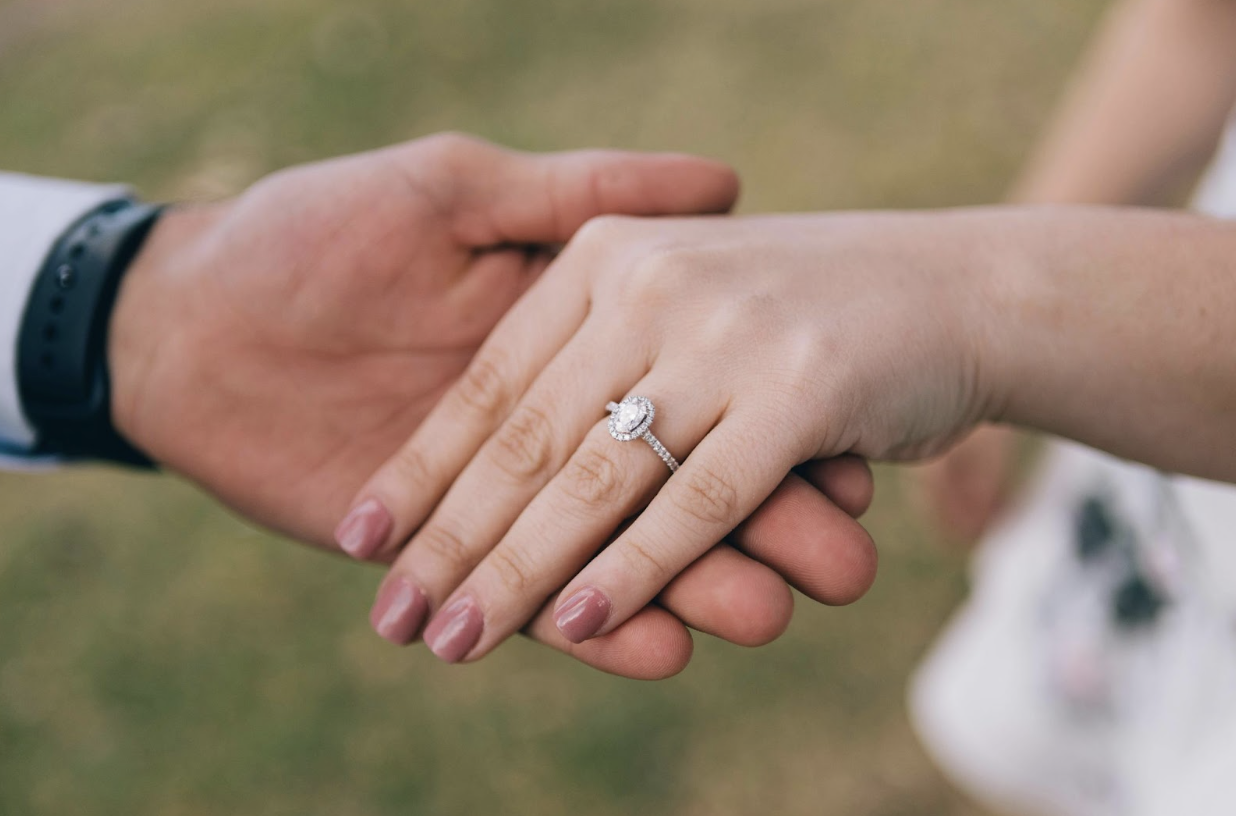 Owning a rare diamond means possessing a gem defined by exceptional color and limited availability—two factors that directly influence its resale value.
Uncommon hues such as blue, pink, and green attract strong global demand, especially when evaluated by the best diamond buyer at Diamond Banc.
Their scarcity and distinctive appeal often push prices far beyond those of more conventional stones.
Why Diamonds Are Valuable in the First Place
Before diving into color and rarity, it’s important to understand what makes diamonds valuable.
Diamonds are prized for their:
- Hardness — They are the hardest natural substance on Earth.
- Brilliance — Their ability to refract light creates that iconic sparkle.
- Rarity — Especially at higher qualities or in certain colors.
- Cultural significance — Associations with love, status, and wealth.
These attributes contribute to both emotional and financial value. However, the secondary market (reselling your diamond) isn’t always a mirror of the purchase price, and here’s where understanding color and rarity becomes crucial.
The Four Cs: A Quick Recap
When most people think of diamond value, they think of the “Four Cs”:
- Cut
- Color
- Clarity
- Carat weight
All four matter, but color and rarity often make the biggest difference in how much a diamond can fetch on the resale market, especially if we’re talking rare diamonds.
So let’s unpack what color and rarity mean in diamond valuation.
Understanding Diamond Color
1. The Traditional Color Scale
For most diamonds, the GIA (Gemological Institute) color scale is used:
- Ranges from D (colorless) to Z (light yellow or brown)
- The closer to D, the rarer and generally more valuable the diamond
This scale applies to white diamonds. These are the diamonds most commonly used in traditional engagement rings and fine jewelry.
2. Colorless vs. Near-Colorless
A diamond that appears perfectly clear to the naked eye might still be graded as G, H, or I, which are technically near-colorless.
Here’s the important point: To the human eye, many near-colorless diamonds look just as stunning as colorless ones.
However, on the resale market, colorless (D–F) typically commands higher prices because collectors, investors, and buyersare willing to pay premiums for perfect or near-perfect color.
3. Fancy Colored Diamonds
Now here’s where it gets really interesting. Fancy colored diamonds are those with strong hues, like:
- Pink
- Blue
- Yellow
- Green
- Red
- Orange
- Purple
These are not graded on the D–Z scale. Instead, they’re judged by intensity and hue — for example, Fancy Vivid Pink or Fancy Deep Blue.
Key takeaway: Fancy colored diamonds, especially rare tones like red, pink, and blue, can be worth far more per carat than top white diamonds.
Why Color Affects Resale Value
- Clear Diamonds (D–F)
-
-
- Traditionally, they are more valuable because they are rare and desirable
- Resale value is typically higher if other Cs (cut, clarity, carat) are strong
- Buyers on the secondary market recognize the prestige of top color grades
-
- Near-Colorless & Slight Hues (G–J)
-
-
- Still beautiful and often more budget-friendly for buyers
- Resale value is generally lower than colorless grades
- However, well-cut stones can still perform well in resale
-
- Fancy Colored Diamonds
-
- Extremely rare, especially in strong, natural colors
- They often appreciate more over time than white diamonds
- Their resale value is less predictable, but when sold to the right buyer, it can fetch exceptional prices
Assessing Rarity: Lab Reports Matter
A credible diamond grading report (from GIA, AGS, or another respected lab) is essential. These reports provide:
- Color grade
- Clarity grade
- Carat weight
- Cut quality
- Fluorescence and other optical properties
For colored diamonds, lab reports describe hue, tone, and saturation, the three elements that define color intensity.
Without a proper lab report, it’s almost impossible to validate rarity or secure fair resale pricing.
How Color & Rarity Drive Buyer Demand
When a diamond enters the resale market, buyers fall into distinct categories:
1. Collectors
They seek rare stones, especially fancy colored diamonds. Collectors often pay premiums for:
- Unique colors
- Exceptional intensity
- Diamonds with historic or aesthetic importance
2. Jewelry Enthusiasts
These buyers want beautiful stones for personal wear. They value:
- Visual appeal
- Certified quality
- Good proportions and sparkle
They may not pay as much for rarity alone, but still value strong color and excellent cut.
3. Investors
Investors look for resale potential and liquidity. They care about:
- Hard documentation (lab reports)
- Market trends
- Rarity that holds or increases value over time
For investors, color and rarity are key because they influence both demand and future pricing.
Tips for Selling a Rare Diamond
If you’re considering resale, here are steps that help maximize value:
1. Obtain Professional Appraisal
Get an updated appraisal from a certified gemologist.
2. Secure a Current Grading Report
If your report is old or missing, consider having the diamond regraded.
3. Understand Market Demand
Talk to specialized buyers, especially those who work with fancy colored diamonds.
4. Choose the Right Selling Channel
Selling to a general jewelry buyer often yields the lowest price. Targeted markets yield much better returns.
5. Know Your Diamond’s Story
A well-documented history can add emotional and financial value, especially for rare or vintage diamonds.
Final Thoughts
Owning a rare diamond is a privilege, and understanding how color and rarity impact resale value empowers you to make thoughtful decisions.
When it comes to rare diamonds, every stone tells a story. The more you understand that story, the more confidently you can navigate its financial value, whether you’re selling, passing it down, or simply admiring its brilliance.