 Amy Marietta
Most people expect a canvas and a few paints. What actually shows up is a more complete system, and knowing what to look for is how you tell a quality kit from a disappointing one before you spend any money.
Custom kits turn your own photo into a numbered painting template. Here’s what every solid custom paint by numbers order should include.
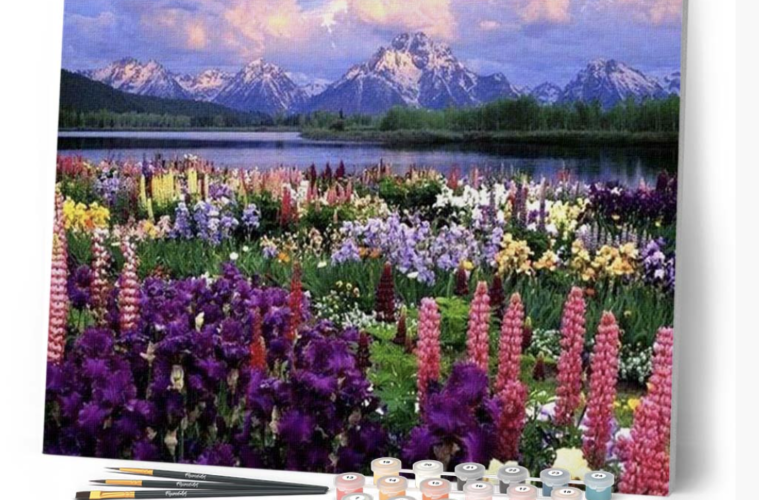
A Printed Canvas With Your Photo Transferred Onto It
The canvas is the foundation. Period. Unique paint by numbers canvas sets arrive with your chosen image already printed on linen or cotton-blend material, each area marked with a small number corresponding to a specific paint color. That print quality matters more than most buyers ever realize. A sharp, high-resolution transfer keeps numbers readable while you work and prevents color zones from bleeding into each other. Most reputable kits come in either stretched or rolled format, stretched canvases arrive pre-mounted on a wooden frame, while rolled ones ship flat and need framing later. Always check that fade-resistant ink was used, because otherwise the reference lines can vanish completely under your very first coat of paint.
Size is everything here. Canvas dimensions directly shape how much detail survives from your original photo, with larger formats handling fine features, faces, pet fur, intricate backgrounds, far better than smaller ones ever could. Rolled canvases from unique paint by numbers canvas sets ship flat and require you to stretch them yourself over a frame, making them ideal if you prefer controlling the stretching process or want to select your own frame materials entirely.
A Full Set of Pre-mixed Acrylic Paints
Every color in the finished painting comes pre-mixed and labeled with a number matching the canvas. No blending required. A well-made kit includes every shade you’ll need, with no gaps in the color range. The paints should be acrylic; acrylic dries fast, layers cleanly, and is water-soluble while wet, so cleanup isn’t a headache.
Each pot or tube is small, typically just enough to cover its assigned zones without running dry mid-session. Check paint consistency before committing to any kit. Thin, watery paint lets numbers bleed through the finished coat and destroys the final look. A good kit separates colors into individually labeled containers rather than dumping everything onto a generic palette, so there’s zero guessing about which pot you’re reaching for. Some kits also include extra paint for commonly heavy-use shades like white or skin tones, which is a genuinely thoughtful detail that prevents you from running short on a large canvas.
A Set of Paint Brushes
One brush won’t cut it. You need multiple sizes to handle the full range of zone dimensions spread across a custom canvas, and quality kits include at least three: a wide flat brush for open background sections, a medium brush for mid-sized areas, and a fine-tipped brush for small details like facial features or thin outlines. Bristles must hold their shape after washing, cheap brushes shed onto wet paint or splay out after a single use, making it nearly impossible to stay cleanly within the lines.
Most kits use nylon bristles, which work well with acrylics and rinse clean between colors. Honestly, brush count tells you a great deal about a kit’s overall quality before you’ve opened a single paint pot. If yours arrives with only one or two brushes, the manufacturer almost certainly cut corners somewhere else too.
A Reference Guide or Color Chart
A clear reference guide connects the numbers on the canvas to the numbers on your paint pots. It’s usually a printed sheet or small booklet showing every numbered color, what it looks like, and which canvas zones it fills. Smart. Some kits include a miniature version of the finished image alongside the chart, that reference image lets you double-check your work section by section as you progress through the painting.
The guide matters most in custom kits. Unlike pre-designed kits built around a familiar image, a custom canvas is unique to your photo, without the guide, you’re matching numbers by sight alone, which slows everything down and opens the door to costly mistakes. A good guide will also list how many zones each color covers. That means you can actually plan your painting sequence, working from background forward for cleaner results, with the guide making every stage of that planning straightforward.
Protective Accessories and Packaging Extras
Accessories keep the whole process running smoothly. Think palette trays for mixing or thinning paints, a sealant or varnish for once the painting is complete, and mounting hardware if the canvas arrives pre-stretched. Not every kit includes all of these extras, but the better ones absolutely do.
The varnish isn’t optional, really. Acrylic paint can stay slightly tacky or develop a patchy sheen without a topcoat; a finishing layer protects the surface and gives the painting a consistent finish, matte or gloss, depending on what’s included. Some kits also add resealable bags to keep unused paint pots from drying out between sessions. But here’s the thing, packaging itself signals quality. A well-packed order arrives with the canvas rolled carefully to avoid creasing, paints sealed securely, and brushes wrapped to protect the bristles. Sloppy packaging is a real red flag for how a seller handles fulfillment across the board.
Conclusion
A complete custom paint by numbers kit covers more ground than most people expect. The canvas carries your image, the pre-mixed paints handle color accuracy, the brushes give you control at different scales, the reference guide keeps everything organized, and the protective accessories help you finish and preserve the final piece. Before ordering, check that all five elements are clearly listed. A kit missing any one of them means sourcing replacements yourself, extra cost, extra delay. Knowing what should be in the box upfront is what keeps surprises from landing at your door.
